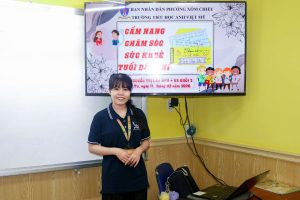
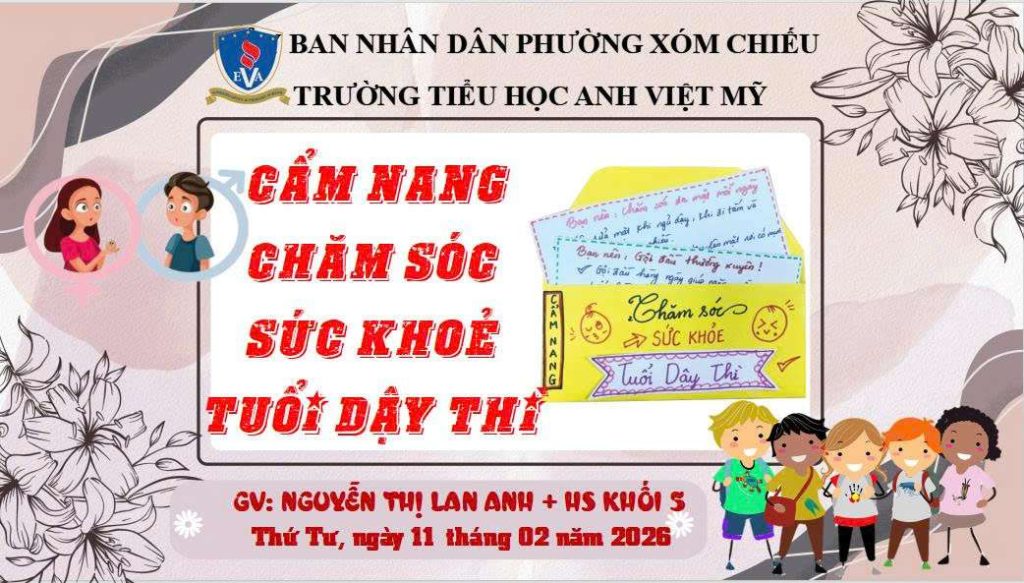
 [STEM 5/1 – Thứ Tư, 11/2/2026] – CẨM NANG CHĂM SÓC SỨC KHỎE TUỔI DẬY THÌ


Ở độ tuổi lớp 5, các em bắt đầu có nhiều thay đổi về cơ thể và cảm xúc. Tiết học STEM hôm nay giúp học sinh hiểu đúng về tuổi dậy thì và biết cách chăm sóc bản thân khoa học, an toàn. 

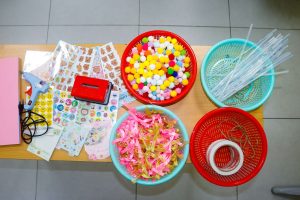
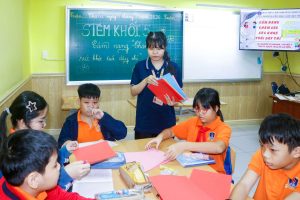
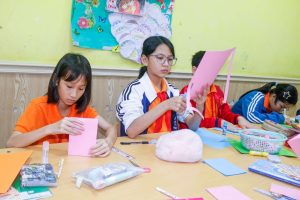
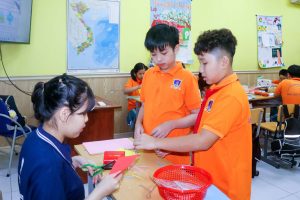
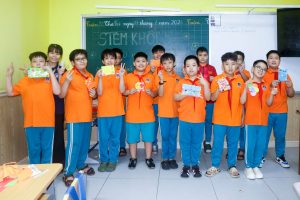
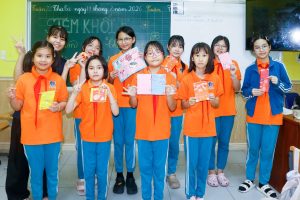
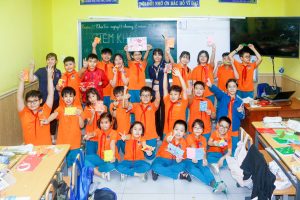
Với chủ đề “Cẩm nang chăm sóc sức khỏe tuổi dậy thì”, dưới sự hướng dẫn của cô Nguyễn Thị Lan Anh, mỗi bạn đã tự tay thiết kế một cuốn cẩm nang riêng 
 – trình bày rõ ràng, sáng tạo và phù hợp với hiểu biết của mình.
 Qua hoạt động, học sinh:
 Nhận biết những thay đổi ở tuổi dậy thì
Biết giữ gìn vệ sinh cá nhân, xây dựng thói quen sống lành mạnh 

Hình thành thái độ tích cực, biết yêu thương và tôn trọng bản thân 
Tiết học không chỉ cung cấp kiến thức cần thiết mà còn rèn sự tự tin, kỹ năng trình bày và tính tự lập – hành trang quan trọng cho các em khi bước vào giai đoạn trưởng thành. 

[STEM 5/1 – Wednesday, February 11, 2026] – PUBERTY HEALTH CARE HANDBOOK
At the Grade 5 level, students begin to undergo significant physical, emotional, and psychological changes associated with early adolescence. Today’s STEM lesson aimed to support students in developing an accurate understanding of puberty while equipping them with essential knowledge and skills for maintaining personal health and well-being in a safe and scientific manner.
Under the theme “Puberty Health Care Handbook,” and with the guidance of Ms. Nguyễn Thị Lan Anh, each student designed and developed an individual handbook . The products demonstrated clear organization, creativity, and age-appropriate understanding of health-related concepts.
Through this learning activity, students were able to:
Identify common physical and emotional changes during puberty
Develop awareness of personal hygiene practices and healthy lifestyle habits
Foster positive attitudes toward self-care, self-respect, and personal development
Beyond delivering essential health education content, the lesson also promoted students’ confidence, presentation skills, and independent learning abilities. These competencies serve as important foundations as students transition into adolescence and greater personal responsibility.
 Hotline: 028 3940 2100
 Mail: info@anhvietmy.edu.vn
 Địa chỉ: 298A Nguyễn Tất Thành, P. Xóm Chiếu, TP. HCM
 Website: avm.ntt.edu.vn